ICOM IC-A25N Handheld NAV/COM Transceiver w/ Bluetooth – Open Box: Portable Aviation Radio
ICOM IC-A25N Handheld NAV/COM Transceiver w/ Bluetooth – Open Box: Portable Aviation Radio
Blog Article
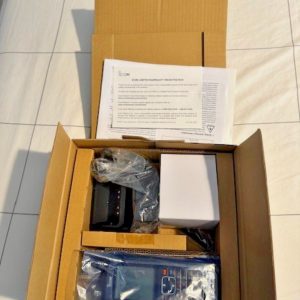
:::writingvariant="document" id="58314" ICOM IC-A25N Handheld NAV/COM Transceiver w/ Bluetooth – Open Box: Professional Aviation Backup Radio The ICOM IC-A25N Handheld NAV/COM Transceiver w/ Bluetooth – Open Box provides pilots and aviation professionals with a convenient combination of communication, navigation support, portable operation, and wireless connectivity. An open-box ICOM transceiver can be attractive to buyers who want dependable features while reducing the cost of purchasing professional aviation equipment. A dependable ICOM IC-A25N Handheld NAV can become an important part of a pilot’s flight bag by providing portable communication capability whenever installed aircraft equipment is unavailable. A capable ICOM IC-A25N Aviation Radio can provide additional confidence during flights, training activities, maintenance events, and ground operations. The ICOM IC-A25N Handheld Radio can be carried conveniently in a flight bag, stored as backup cockpit equipment, used during preflight activities, or assigned to aviation personnel who require portable communication. A capable Handheld NAV/COM Aviation Transceiver provides pilots with an integrated solution that can be stored conveniently and accessed quickly. Whether the intended use involves a Handheld Aviation Radio, Aviation NAV/COM Radio, Pilot Handheld Radio, or Aircraft Communication Radio, dependable battery and antenna performance remain important. The unit may also serve as a Portable Aviation Transceiver, Aviation Communication Device, Handheld Aircraft Radio, Aviation Navigation Radio, ICOM Pilot Radio, Emergency Aviation Radio, or Backup Aircraft Radio for appropriate aviation applications.
Why Pilots Choose the ICOM IC-A25N Handheld Radio
This handheld transceiver offers pilots a convenient way to carry aviation communication equipment independently of the aircraft’s installed radio system. Pilots often select a feature-rich handheld radio because it supports communication needs without requiring permanent installation or aircraft modification. Real-world results depend on setup, antenna use, radio configuration, location, surrounding structures, and the condition of the complete package. Operators should include click here the radio in normal equipment checks so batteries, accessories, and settings remain ready for use.Choosing the ICOM IC-A25N Handheld NAV
The portable design allows pilots to become familiar with radio functions outside the aircraft before using the device in a busy operational environment. Ground personnel can use an appropriate handheld radio for monitoring or coordination where local procedures and regulations allow. Navigation features should support rather than replace required pilot preparation, approved navigation equipment, current charts, and appropriate operational judgment. The radio should be stored securely so it does not interfere with controls, visibility, passengers, or emergency egress.Choosing an ICOM IC-A25N Aviation Radio
The radio may be useful to pilots operating aircraft with limited avionics, temporary communication problems, or different cockpit configurations. Flight instructors can use the device as supplemental equipment during ground lessons, aircraft walkarounds, and selected training exercises. Buyers should consider the radio’s physical condition, battery age, charging equipment, antenna, clips, headset accessories, manuals, packaging, and evidence of proper operation. Remote buyers may request a video showing startup, menu operation, button response, audio output, charging status, and physical condition.ICOM IC-A25N Handheld Radio Convenience
Portable operation can be valuable to users who fly several airplane types or who do not control the installed equipment available in every cockpit. The antenna should be protected from bending or crushing while the radio is transported with other equipment. Users can review the interface in a quiet environment rather than learning controls during engine operation or busy airport activity. The radio should be removed from environments where condensation, fuel, oil, cleaning products, or maintenance debris may cause damage.Using a Handheld NAV/COM Aviation Transceiver
A Handheld NAV/COM Aviation Transceiver combines portable communication and navigation-related capability within one device, making it useful for pilots who value multifunction equipment. Users should consider how frequently the radio will be carried, whether Bluetooth is required, and which accessories are needed for their aircraft or headset. Stored frequencies and settings should be reviewed periodically so outdated information does not create confusion. An equipment log may be helpful for flight schools, shared aircraft, or aviation businesses where several users handle the same device.Choosing a Handheld Aviation Radio
Portable radio access can improve operational flexibility when users move frequently between aircraft and aviation environments. The radio can also provide useful redundancy when an installed communication system experiences an unexpected problem. A handheld radio should be evaluated in the aircraft and environment where it will normally be used. Professional radio discipline includes listening carefully, transmitting clearly, using appropriate terminology, and keeping messages relevant.Benefits of an Aviation NAV/COM Radio
An Aviation NAV/COM Radio gives pilots portable access to communication and navigation-support features that may complement installed cockpit avionics. The user should understand how to move efficiently between communication and navigation functions without becoming distracted. The radio’s navigation-related functions should be used within the limits described by the manufacturer and the requirements of the intended operation. Paired accessories and Bluetooth connections should be tested so unexpected setup issues do not occur during flight.Pilot Handheld Radio Applications
A Pilot Handheld Radio can provide useful communication redundancy during cross-country flights, aircraft delivery, rental operations, training, and travel to unfamiliar airports. The device should remain accessible to the pilot without becoming a loose object or interfering with cockpit controls. Regular familiarity helps users recognize abnormal operation, weak batteries, damaged controls, or missing accessories early. A battery that appears charged after long storage may not provide the operating duration expected under real conditions.Choosing an Aircraft Communication Radio
The IC-A25N can become part of an organized communication strategy for private pilots and aviation businesses. A strong transceiver cannot compensate for poor microphone technique, excessive background noise, incorrect frequency selection, or unclear messages. A portable radio may operate differently from the aircraft’s main communication system because antenna size, antenna position, output, and cockpit shielding can affect performance. A cracked housing, loose antenna connection, damaged battery latch, or unreliable control can affect usability even when the radio still powers on.Portable Aviation Transceiver Applications
The device can support airport ground activities, remote-airfield operations, aircraft inspections, maintenance coordination, and flight preparation. An accessory checklist may be useful for businesses or flight schools that issue the radio to different users. Bluetooth capability can improve convenience by supporting compatible wireless audio arrangements and reducing the number of cables around the pilot or operating area. The radio should remain usable even when a paired device is unavailable or the Bluetooth connection cannot be restored.Aviation Communication Device for Professional Use
An Aviation Communication Device should provide clear operation, accessible controls, dependable power, suitable audio, and practical compatibility with the user’s aviation environment. Transparent condition information allows the purchaser to judge whether the price reflects the package accurately. Organized equipment management helps ensure that the radio remains available and serviceable for the next user. A well-managed Aviation Communication Device can support efficient and dependable operations across many aviation roles.Handheld Aircraft Radio Applications
The device may also support pilots at airports where communication must begin before the aircraft electrical system is activated. A handheld unit allows maintenance personnel to confirm communication-related information while aircraft power remains disconnected. Cockpit use requires secure storage and careful cable management so the radio does not interfere with flight controls, doors, seat adjustment, or emergency movement. After ground or cockpit use, the radio should be checked for dirt, moisture, fuel residue, oil, impact damage, and accessory wear.Maintaining an Aviation Navigation Radio
An Aviation Navigation Radio can support pilot situational awareness by providing portable access to compatible navigation-related functions and information. Competent use comes from practice, realistic expectations, and integration with established navigation procedures. A handheld radio should not be treated as a substitute for equipment or procedures required by regulation, aircraft approval, or operating conditions. Regular checks should confirm that stored information, settings, battery status, and display performance remain suitable for use.ICOM Pilot Radio Applications
The IC-A25N provides a combination of communication, navigation support, Bluetooth connectivity, and portable power suitable for varied aviation roles. Brand reputation should be considered alongside the condition and completeness of the specific unit being purchased. The correct purchasing decision reflects mission, budget, equipment condition, support needs, and actual operational preferences. Responsible ownership allows an ICOM Pilot Radio to remain a useful communication and navigation resource for many aviation activities.Emergency Aviation Radio Preparedness
A backup transceiver should be included in emergency planning rather than carried without testing or operational preparation. Cockpit structure, antenna location, terrain, altitude, weather, buildings, and battery condition can influence emergency performance. Bluetooth or wired audio arrangements should be tested before flight and should not be assumed to work automatically during an emergency. Preparedness transforms an Emergency Aviation Radio from a stored accessory into a meaningful backup communication tool.Using a Backup Aircraft Radio
The IC-A25N offers portable communication and navigation-oriented functions that can support a layered aviation equipment strategy. Pilots should confirm charge status, antenna attachment, audio output, Bluetooth pairing, memory organization, and accessibility. A simple and familiar arrangement is generally more useful during an abnormal situation than a complicated setup that has not been practiced. Aviate, navigate, and communicate priorities remain essential whenever communication equipment problems occur.Evaluating an Open-Box Aviation Radio
A careful physical review helps determine whether the product condition matches the seller’s open-box description. The package should be compared with the seller’s inventory to confirm the radio, battery, antenna, charger, adapters, clip, documentation, packaging, and other included accessories. The Bluetooth system should be checked for pairing, audio routing, connection stability, and compatibility with supported equipment. Shipment photographs can document package contents and physical condition before dispatch.Maintaining a Portable NAV/COM Transceiver
A professional handheld transceiver should be managed as aviation equipment rather than treated like an ordinary consumer radio. Reliable readiness comes from planned inspection, charging, practice, and responsible storage.- Inspect the radio body, display, antenna, battery, charger, controls, connectors, clips, cables, and included accessories before important operations.
- Confirm that paired accessories, headset connections, stored information, display settings, antenna attachment, and power level are suitable for the planned operation.
- Charge and store the battery according to appropriate guidance while keeping all accessories labeled and together.